A Kitchen That Keeps Giving, Not Tossing

Welcome to a practical, joyful guide to zero‑waste kitchen replacements for common disposables. Together we’ll trade paper towels, plastic wraps, and single‑use gadgets for durable tools that save money, time, and clutter. Expect honest tips, small wins, and stories from home cooks who swapped convenience for smarter routines and never looked back. Take what fits, skip what doesn’t, and share your questions so we can refine these ideas for your space, budget, and cooking style.

Start Where the Bin Is Heaviest

Before buying anything, notice what fills your bin most—paper towels after spills, cling film from leftovers, takeout boxes, or flimsy sponges. A simple week-long tally reveals patterns, helping you prioritize swaps that actually matter. Start small, track savings, and celebrate every emptying you skip as proof of progress.

Run a One-Week Waste Audit

Keep a list on the fridge and mark down each disposable you throw away for seven days: what it was, why you used it, and what could have worked instead. Photos help. At week’s end, choose just one category to replace first.

Set Clear Criteria and a Real Budget

Decide what matters most: plastic reduction, cost savings over time, easy cleaning, or aesthetics. Assign a modest budget and timeline to avoid impulse buys. Favor warranties, repairable parts, and universal sizes so replacements stay compatible with tools you already own.

Build Habits That Outlast Novelty

New gear helps, but routines change outcomes. Place towels where spills happen, keep jars near leftovers, and prep soap blocks at the sink. Pair each swap with a trigger—after cooking, wipe once, air-dry, and reset—so actions become automatic.


Goodbye Paper Towels and Disposable Napkins

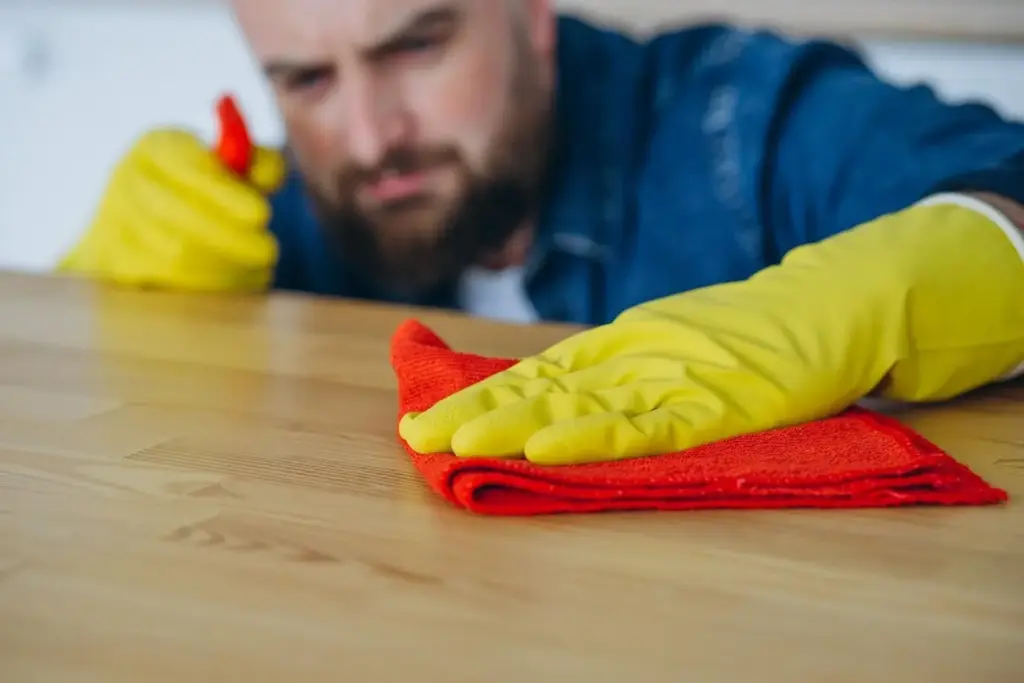
Spills, greasy pans, and crumb-topped counters tempt us to unroll sheet after sheet. Reusables handle messes better, cost less over months, and actually look nicer. Create a simple system for clean, in-use, and wash-day storage, and laundering becomes just another rhythm.

Swedish Dishcloths and Robust Towels

Cellulose-cotton cloths replace countless paper rolls, absorbing spills quickly and drying fast to prevent odors. Pair them with tightly woven cotton or linen towels for heavy tasks. Wash weekly, sun-dry when possible, and rotate sets so nothing wears out prematurely.

Cloth Napkins for Everyday, Not Just Guests

Choose darker colors or patterns that hide stains, hemmed for durability, and keep a family set in a visible basket by the table. Assign each person a unique pattern clip, reuse several meals, and wash with kitchen textiles weekly.

Make an Unpaper Towel Roll

Snap fasteners or simple stacking on a dowel keeps reusable squares handy. Use flannel for softness and cotton terry for absorbency. Color-code cleaning versus food prep, keep a small hamper nearby, and launder on warm with biodegradable detergent.

Store Leftovers Without Plastic Wrap or Zip Bags

Beeswax, Vegan Wax, and Bowl Covers

Waxed wraps mold around bowls and cut produce using hand warmth, then firm up in the fridge. Wash in cool water with mild soap, avoid raw meat, and refresh with a low-heat oven pass. Fabric bowl covers add breathability and charm.

Silicone Bags, Stretch Lids, and Sheet Pan Lids

Food-grade silicone bags freeze flat, marinate without leaks, and clean well in the dishwasher. Stretch lids rescue odd bowls and halved melons, creating quick seals. A dedicated sheet pan lid transforms trays into stackable containers for batch-cooked grains and vegetables.

Glass Jars and Repurposed Containers

Save pasta sauce jars for pantry staples, dressings, and overnight oats. Wide-mouth jars make freezing safer—leave headspace and cool before freezing. Label lids with a grease pencil, track first-in, first-out rotation, and enjoy the satisfaction of clear, uniform storage.

Metal Filters, Reusable Pods, and Classic Brewers

A stainless filter for pour-over or AeroPress unlocks oils and body without paper waste. If your machine uses pods, consider refillable capsules and a measuring scoop. French presses and moka pots deliver strong results with minimal parts to break or discard.

Fizz at Home and Better Ice

Carbonate tap water with a cylinder system, and flavor with citrus peels, frozen berries, or simple syrups cooked from leftover fruit juices. Make clear ice in an insulated tray for slower melt, fewer refills, and a delightfully crisp clink.

Smarter Cleaning Tools and Soaps

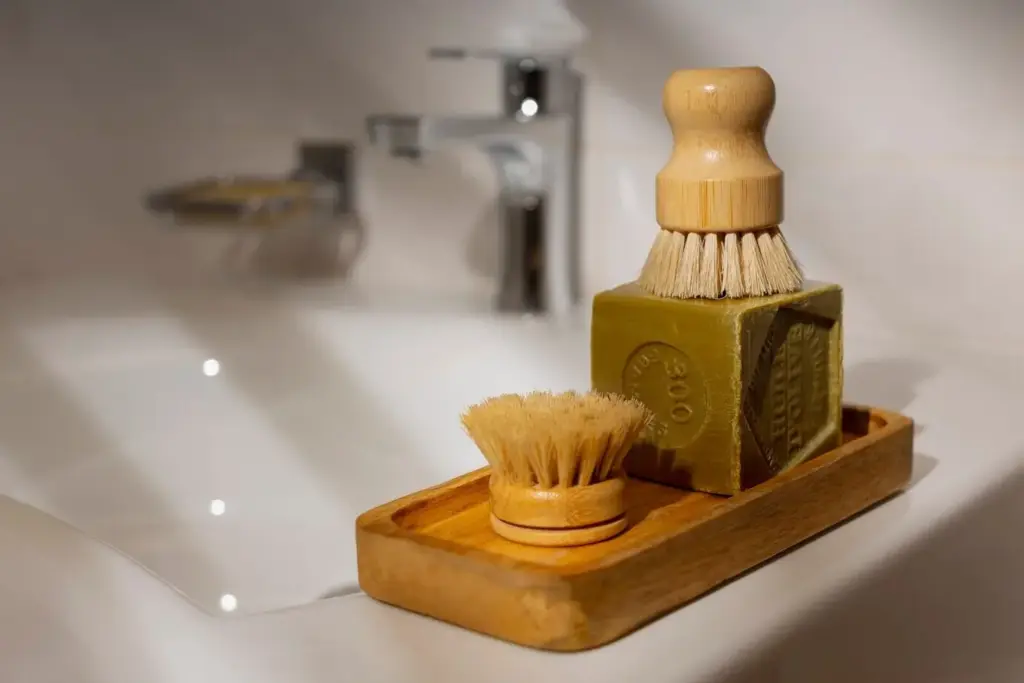
Instead of flimsy synthetics that shed microplastics and smell quickly, choose sturdy, plant-based materials and concentrated soaps that last. Organize a caddy with brushes, cloths, and a draining tray, so everything dries thoroughly and stays ready for tonight’s dishes.

Keep Food Fresher and Waste Less

Preventing spoilage is the most powerful zero-waste practice. Plan simple menus, cook once and reheat joyfully, and store ingredients visibly so nothing hides. Master the basics of humidity zones, date labeling, and batch prepping, and you’ll cut bin trips dramatically.

Make-Once, Use-Three-Times Meal Planning

Cook grains, beans, and proteins that remix easily across bowls, tacos, soups, and salads. Use glass containers to see leftovers at a glance. Dedicate a weekly “eat-down” night where creativity wins and the fridge empties before another shopping trip.

Scrap Cooking Is Real Cooking

Save herb stems for pesto, freeze parmesan rinds for broth, and roast wilted vegetables into flavorful toppings. Citrus peels candy beautifully, and chicken bones make rich stock. Keep a labeled freezer bin so scraps become ingredients, not forgotten intentions.

Composting Options for Every Home

Backyard piles love greens and browns; bokashi ferments everything, including small meat scraps; municipal programs simplify life if available. Use countertop caddies with charcoal filters, empty them often, and note how carrying peelings out becomes a satisfying, routine closing ritual.

Refill Shops, Bulk Bins, and Tare Mastery

Jars, cloth bags, and sturdy tins shine at bulk stores. Ask staff to record tare weights, then fill only what you need. Store decanted goods in pest‑proof containers at home, note dates, and track favorites to simplify future trips.

Farmer’s Markets, CSAs, and Seasonal Choices

Buying directly supports growers, reduces packaging, and often means fresher produce that lasts longer in the fridge. Bring produce bags, ask about storage tips, and plan recipes around what’s abundant. Seasonal cooking naturally limits waste and keeps meals vibrant all week.

Labeling, Dating, and First-In, First-Out

Use a grease pencil or masking tape for easy, residue-free labels. Add cook dates and reheating notes, then place newer items behind older ones. A five-second glance saves forgotten jars, protects flavor, and keeps the fridge feeling spacious and supportive.
Kizuzazuturopenane
Privacy Overview

This website uses cookies so that we can provide you with the best user experience possible. Cookie information is stored in your browser and performs functions such as recognising you when you return to our website and helping our team to understand which sections of the website you find most interesting and useful.