Run a One-Week Waste Audit
Keep a list on the fridge and mark down each disposable you throw away for seven days: what it was, why you used it, and what could have worked instead. Photos help. At week’s end, choose just one category to replace first.

Set Clear Criteria and a Real Budget
Decide what matters most: plastic reduction, cost savings over time, easy cleaning, or aesthetics. Assign a modest budget and timeline to avoid impulse buys. Favor warranties, repairable parts, and universal sizes so replacements stay compatible with tools you already own.
Build Habits That Outlast Novelty
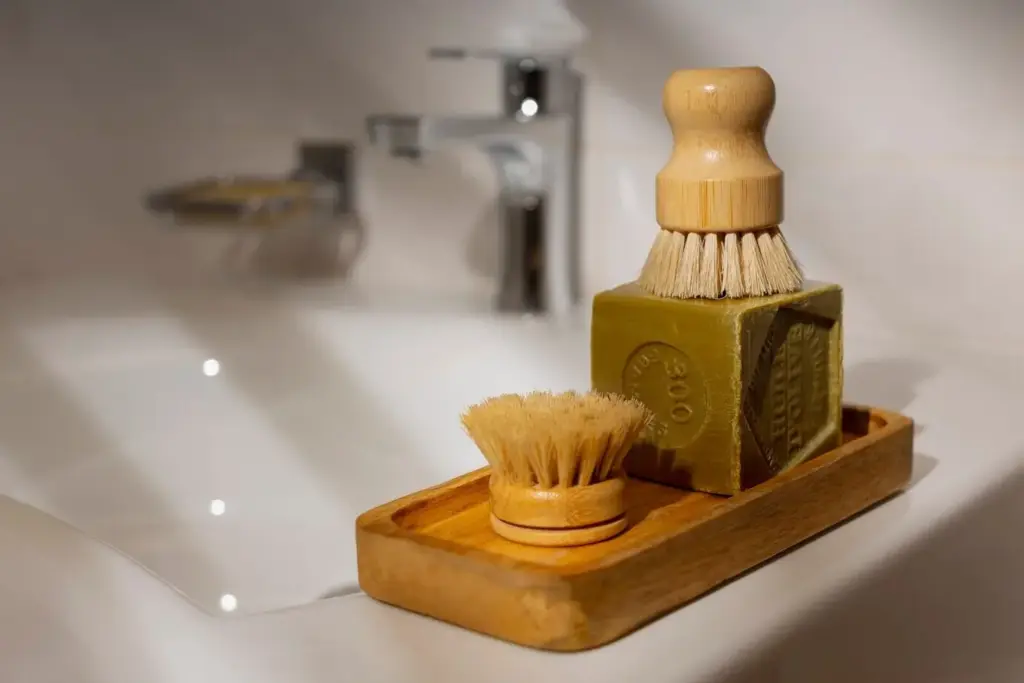
New gear helps, but routines change outcomes. Place towels where spills happen, keep jars near leftovers, and prep soap blocks at the sink. Pair each swap with a trigger—after cooking, wipe once, air-dry, and reset—so actions become automatic.